
The Brown County Records Route
Brown County keeps no single master property database. Start with the WTH GIS portal. It answers where a parcel lies. It also shows which owner and value card is tied to it. Doxpop answers the other half. It indexes recorded instruments and named parties. Assessor, Auditor, Treasurer, Surveyor, Planning, Recorder, and Clerk records each exist. They add their own part of the story. WTH fits an address, name, parcel number, or map location. The Recorder holds the deed side. Liens, mortgages, easements, releases, and plats live there too. Reach for tax, court, survey, and zoning material only after the parcel is identified. A map is not a survey. An assessment owner is not a title opinion.
- Locate the parcel in WTH and save both parcel numbers, the Owner field, and each address label.
- Search the current owner and legal description in Doxpop, then match the newest recorded deed.
- Check assessed value and sales data with the Assessor or DLGF, and bill status with the Treasurer.
- Compare WTH geography with recorded plats, Surveyor material, and a licensed survey when boundaries matter.
- Use MyCase and the Clerk for public foreclosure, quiet-title, probate, or judgment records.
Note: Log the date of every search, since Brown County records refresh on different schedules.
Where Brown County Keeps Records
Brown County's main land, assessment, and tax offices share the government building on Locust Lane in Nashville. Their jobs do not overlap. The Recorder keeps filed instruments. The Assessor maintains property descriptions, gross assessments, and sales information, the Treasurer collects taxes and posts tax-sale routes, and the Auditor handles deductions along with the tax-side accounting.
Brown County Recorder
201 Locust Lane, 1st Floor
Nashville, IN 47448
812-988-5462
Brown County Assessor
201 Locust Lane, 1st Floor
Nashville, IN 47448
812-988-5466
Brown County Treasurer
201 Locust Lane, 1st Floor
Nashville, IN 47448
812-988-5458
Start With Brown County WTH
WTH combines a map with owner and sales tools. The owner form asks for a last name. A first name is optional. Sales fields cover date, price, neighborhood, property class, and acreage. The general map opens address and parcel-number searches too. The exact controls depend on the portal's scripts. A Brown County result can display Owner, Owner Address, and Property Address. It also shows the state parcel number, the county parcel number, Card, and Zoom. Copy those labels as shown. Trust, trustee, C/O, joint-tenancy, and ETAL wording is part of the search key, not clutter. The official WTH property form shows the owner route. It also shows the sales route available for Brown County property records.
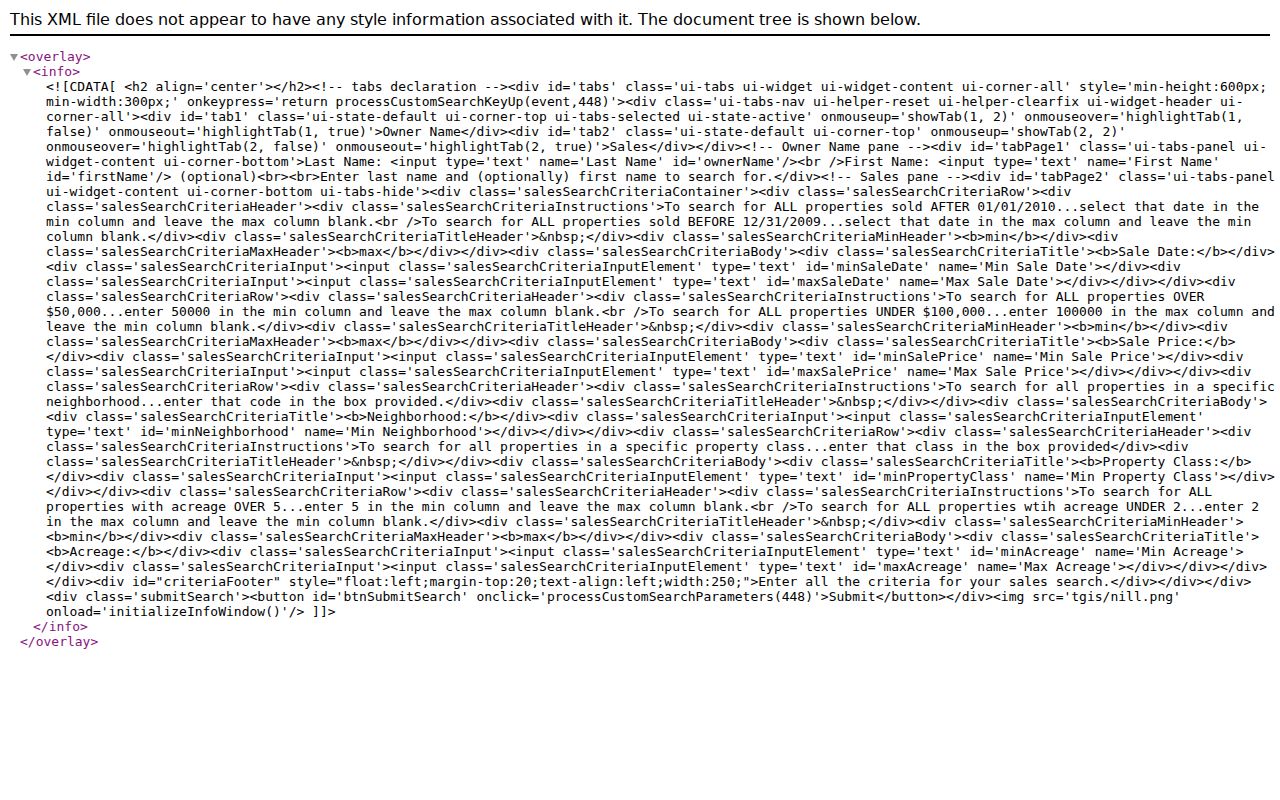
The result card bridges a name or sale clue to one exact parcel. It carries the parcel number, deed details, and a map link.
Read a Brown County Parcel Card
One Brown County result showed state parcel number 001093183401700, county parcel number 07-07-18-300-296.000-005, a named owner, and separate property and owner addresses. The full card goes further. Per the Assessor, it adds assessed value plus year built, stories, exterior construction, measured square footage, plumbing fixtures, and special improvements. Those details turn numbers into a profile.
- Owner Address
- The mailing destination held on the assessment roll.
- Property Address
- The situs, or physical location, when an address has been assigned.
- Parcel number
- An administrative identifier, not the deed's legal description.
- Property record card
- The Assessor's data and valuation record for the parcel.
Brown County Planning assigns no address to vacant land until a residence or residential building permit exists, so a street search may come up empty. Use the map, APN, and deed description instead.
Brown Deeds and the 1988 Cutoff
For deeds and land instruments, the Recorder links Doxpop, with Brown County indexing and scanned images beginning in July 1988. Searches narrow by party name, recording date, document type, full text, or platted status. Platted land uses lot, block, and subdivision. Rural descriptions use township, section, and range. Basic results may be free. Images can require registration or payment. A certified copy comes only from the Recorder, not a vendor PDF, and the Brown County deed records page covers the deeper deed mechanics.
Brown County Record Types
Each record family answers one narrow question. Combining them prevents the common error of asking a single office to prove ownership, value, tax status, boundaries, and legal claims all at once.
| Record Type | What It Documents | Kept By | Access |
|---|---|---|---|
| Deeds and conveyances | Recorded transfers, parties, dates, legal descriptions | Recorder | Doxpop, counter, phone, mail |
| Mortgages, liens, releases | Recorded security, claims, assignments, and termination filings | Recorder; courts for enforcement | Doxpop, MyCase, office files |
| Assessment and tax | Owner snapshot, value, deductions, bill, delinquency | Assessor, Auditor, Treasurer | WTH, DLGF, payment and office routes |
| Parcels, plats, surveys | Map reference, lot layout, corners, recorded easements | GIS, Recorder, Surveyor | Viewer, books, plats, office access |
| Zoning and development | Land-use rules, hearings, permits, replat files | County Planning/APC or Nashville | Web documents, agendas, request by property |
| Court and probate | Foreclosure, quiet title, judgments, estates, orders | Clerk and Circuit Court | MyCase and courthouse file |
A parcel map locates the land. A deed records the transfer. The assessment card reports an administrative owner and value, while the tax bill reports an amount and status. For value, deductions, bills, and appeals, turn to the Brown County property tax records page.
Brown County Values and Appeals
The Assessor keeps sales information from 2007 forward. Neighborhood base rates, location, distance to amenities, and other influences feed the analysis. Indiana DLGF distinguishes assessed value, market value-in-use, and sale price. The ratio is assessed value divided by sale price. Indiana's assessment level stands at 100 percent. A ratio study tests uniformity. It does not promise each card equals its last sale. Brown County's 2026 study separates Hamblen, Jackson, Van Buren, and Washington townships and reports land, improvement, total assessed value, sale price, and ratios. Statewide cyclical reassessment began July 1, 2026, for 2026 pay-2027 taxes. About one quarter of parcels are inspected each year. The full cycle runs four years. Owners get a Form 11 notice. Review may begin with the Assessor, and the county's appeals process page explains Form 130, PTABOA review, and later routes, with deadlines checked against the notice and current law.
Note: Homestead, Over 65, veteran, and disability deductions go to the Auditor, not the Assessor.
Brown County Tax and Sale Records
The Treasurer collects property taxes and links online payment with tax-sale information. Past bills and assessed values sit in DLGF tools. Keep the assessment year separate from the tax-bill year. A tax name alone proves nothing about title. Brown County's official pages list an October 7, 2026 tax sale through GUTS, with advertising, bidder, sold-item, lien, and status material. That sale is a dated process. The tax sale is not a permanent parcel database, so confirm current status with the Treasurer, since redemption, payment, later deed filings, or schedule changes can alter the result.
Brown County Parcels and Plats
WTH parcel polygons help you spot adjoining land, but the map's own disclaimer says it is not a legal description or document. The Surveyor keeps the legal survey books. Old grant books, section-corner records, and historic railroad, right-of-way, county-road, and miscellaneous survey maps live there too. Scanning is still in progress. Call ahead before visiting. Under the subdivision ordinance, approved plats outside Nashville jurisdiction must be filed with the Recorder. Planning approval and a recorded plat are separate records. Where a boundary controls a purchase, easement, or dispute, compare the deed and plat against field work by a licensed private surveyor.
Nashville and County Records Split
Nashville is Brown County's only listed incorporated town. Town records cover the land-use code, development review, annexations, rezonings, road vacations, and local permit material. The deed, assessment, tax bill, mortgage, lien, easement, and recorded plat stay in county files. A parcel on the town edge may need both sets. Check the WTH location and the deed's legal description first. Nashville boundary or annexation records settle which rules apply. Do not lean on a town ordinance before they do. The 2025 Nashville Code includes Title XV Land Usage. County Planning materials govern outside town jurisdiction.
Brown County Court Property Files
Indiana MyCase offers public, non-confidential case information. Many documents appear there too. Search names tied to foreclosure, quiet title, judgments, partition, probate, or estate transfers, then match case dates and orders to Recorder filings such as lis pendens, sheriff's deeds, affidavits, and releases. Older or confidential documents may stay offline. Paper and unavailable files work the same way. The Brown County Clerk keeps Circuit Court records at 20 E Main Street in Nashville and can explain inspection or copy options. A docket entry is a case event, not the full terms of an order.
Historic Brown County Deed Books
The 1873 courthouse fire destroyed most Brown County records, and that loss shapes any search into old deeds. The Indiana State Library county guide and its microfilm finding aid bridge the gaps left by the fire and reach past Doxpop's July 1988 start.
The finding aid lists deed books A-B covering 1849-1878, books C-D covering 1878-1924, plus grantor and grantee index series on microfilm L-1 through L-16. Search both alphabets. Try name variants too. For a metes and bounds deed, weigh acreage, adjoining owners, section calls, and old road descriptions.
Brown County Property Alerts
Doxpop Property Watch sends free filing alerts built on names and available legal-description indexing. Brown County hosts no fraud-alert portal. Indiana recorder indexes do not always require an address or APN. Rural descriptions may narrow only to a section. Broad matches can flag neighboring parcels. An alert should prompt a look at the recorded image and a call to the Recorder, not an instant fraud assumption, because it is a notice layer rather than a title examination.
Access Brown County Records Offline
Online access is only one channel. The Recorder takes counter, phone, email, and mail inquiries for deed records and certified copies. The Assessor, Auditor, Treasurer, Surveyor, and Planning offices each offer office, phone, email, and form routes for their own files. Older deeds may need State Library microfilm. Archives and local historical collections fill the rest. Indiana's Access to Public Records Act, IC 5-14-3, generally permits inspection during regular business hours. Inspection and search are free. Copies can carry statutory or actual-cost fees. Agencies answer verbal requests within 24 hours and written requests within seven calendar days, though production can stretch longer with age, volume, redaction, and other work.
Limits of Brown County Records
Brown County property records can identify an assessment owner, and they can show a recorded conveyance. They report assessed value and tax status. They locate a parcel. They also lead to liens, plats, or court matters. They cannot do everything. They cannot guarantee market value or settle a boundary dispute. Nor do they prove that every interest was recorded, or that a named person lives at the owner's mailing address. Records can be confidential or redacted by law. Indiana's Address Confidentiality Program protects qualifying participants through substitute addresses. Court and vital files carry separate limits. Public access never permits stalking, harassment, fraud, or misuse of personal information.
Lawful use. Brown County property records support purchase research, boundary questions, tax appeals, estate work, and civic review. They do not replace a title professional, attorney, or licensed surveyor, and they must never be used to harass or harm anyone.